
Industry &
Innovation
VR Serving Training and
Safety at Constellium
A global leader in the manufacturing of aluminum solutions, Constellium employs nearly 12,000 people, operates 24 production sites, and runs 3 R&D centers worldwide.
“Safety was the cornerstone of the project.”

Why VR?
In a demanding industrial environment, where facilities are vast and risks are very real, the company chose to explore virtual reality with a clear objective: strengthen safety and better onboard employees.
As Frantz Zele, Digital XR Specialist at Constellium, explains, several motivations drove the project:
-
Save time
-
Create engaging immersive experiences
-
Reduce travel and onboarding costs
-
Reduce accidents
-
Attract new talent and promote the industry
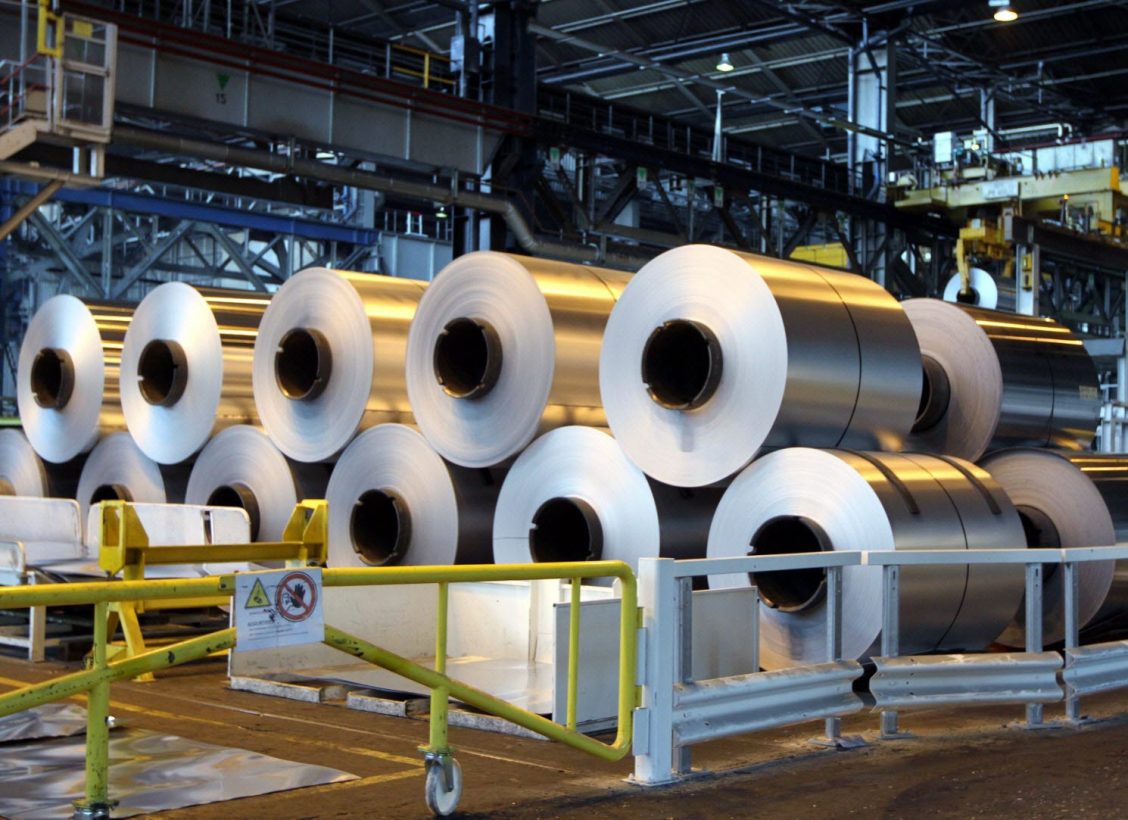
First Use Case: Transforming Onboarding
Before VR, discovering key sites required several weeks of travel.
Not all employees were able to visit facilities or see processes in operation.
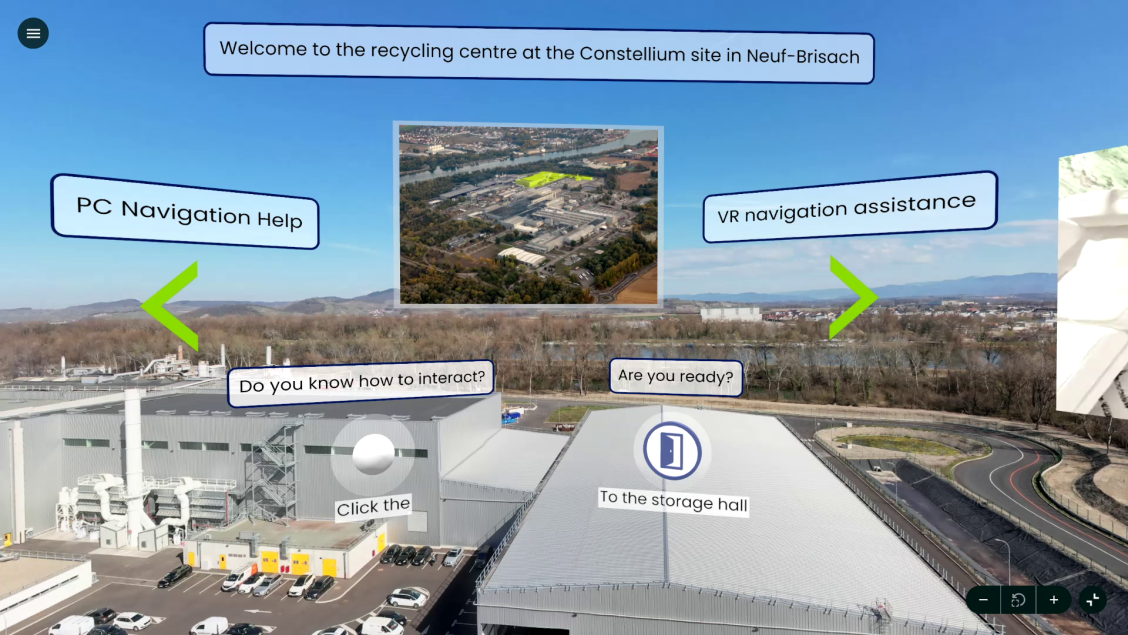
A concrete example is the virtual tour of the new recycling center. VR does not replace on-site visits.
It complements them and helps prepare for them.
A Real Time-Saver
“In three days of filming, a module was created and can now be accessed at any time in less than 30 minutes.
Whereas a physical visit requires planning, availability, and travel.”
Frantz Zele, Digital XR Specialist, Constellium

Second Use Case: Safety Training and Safety Tours
The second—and central—focus is safety:
-
Understanding hazards
-
Reducing the number of accidents
-
Full immersion in the real environment
-
Certification
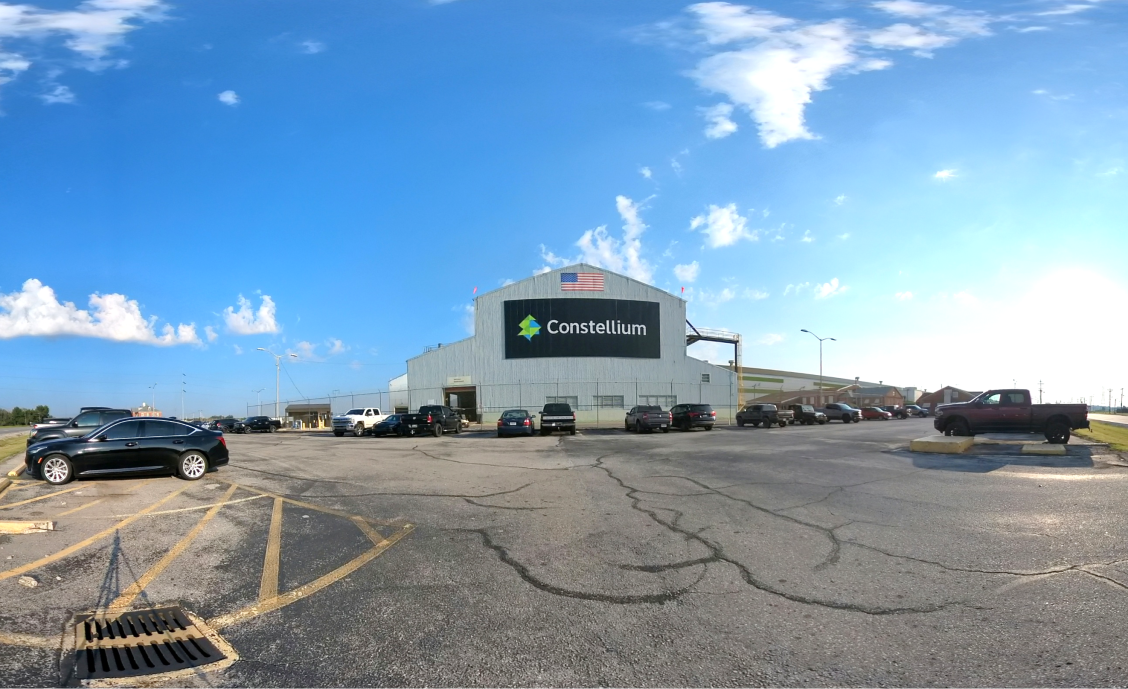
A particularly impactful module was developed by a team based in the United States:
A camera mounted on an operator’s helmet allows learners to experience the scene from a real point of view (POV).
The learner moves through the plant, observes the environment, and must identify risks.
The objective is not only to explain hazards, but to actively train attention, observation, and analysis.
This type of module also allows unlimited repetition, an essential element in building long-term safety reflexes.
A Gradual Rollout
IT validation
First pilot experiences
Use at trade shows
Moving toward autonomy
Once the first site was launched, interest spread to other sites.
Today, the tool is used:
-
For onboarding
-
For safety training
-
For internal communication
-
At trade shows and for recruitment
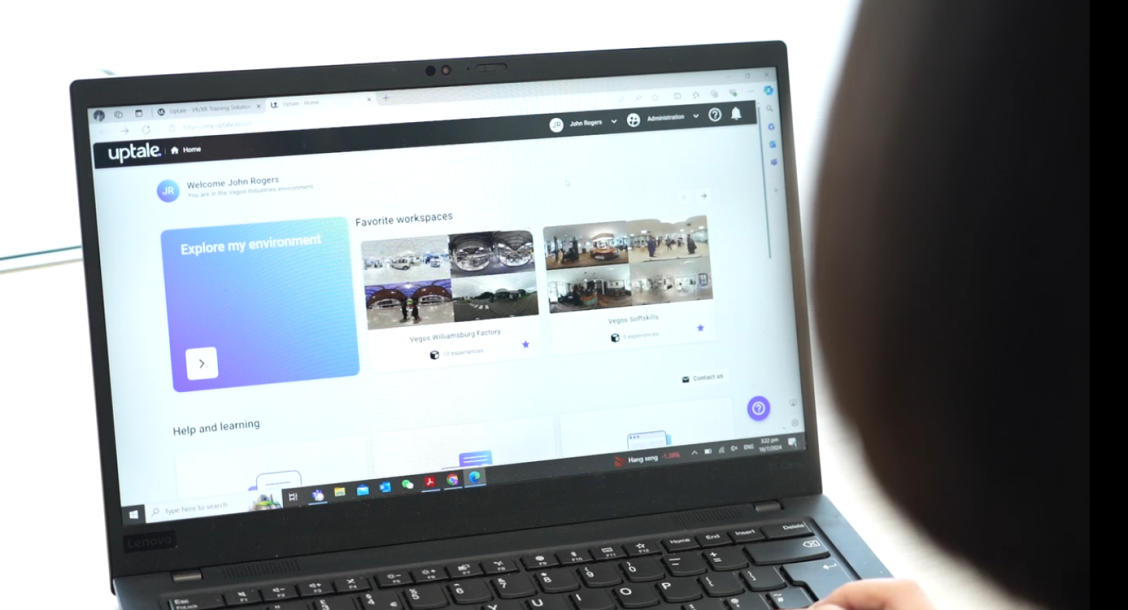
The model is based on autonomy: training local “champions” who can create their own modules.
What VR Changes in Practice
Before
-
Travel to each site
-
PowerPoint-based training
-
Limited access to machines and facilities
After
-
Remote immersive training
-
Interactive VR modules
-
Permanent access to the solution
-
Risk control through unlimited repetition
Benefits
-
Travel cost savings
-
Time savings
-
Immersive experience
Outlook
Virtual reality is no longer a one-off experiment. It is gradually becoming a structured tool within the group’s training and safety strategy.