
Practice
without fear
How IÉSEG uses VR and AI to help students practice public speaking and negotiation
IÉSEG created two experiences that let students practice speaking in front of an audience and negotiating across cultures with avatars. Students receive feedback after each session.
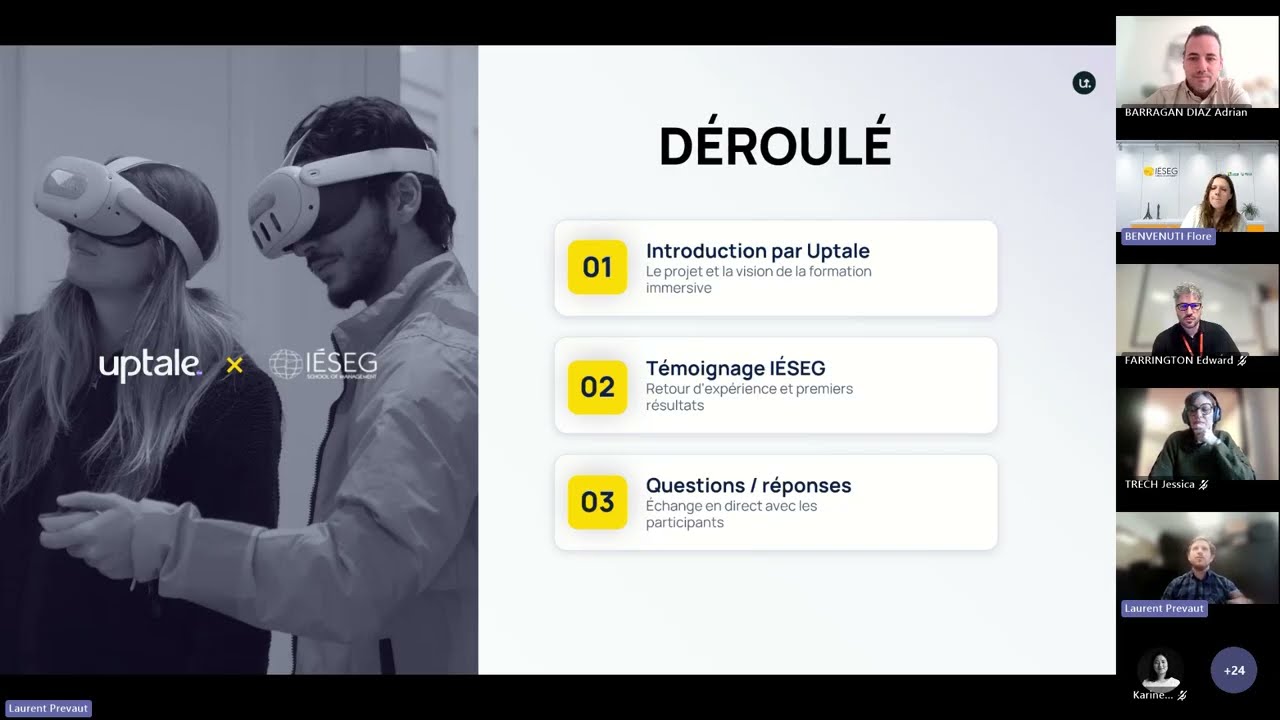
Edward Farrington, Adrián Barragán Díaz, and Flore Benvenuti share their results and offer practical advice for educators.

Realistic practice is hard to organize in the classroom
Students need more opportunities to put theory into practice. In class, each student gets a short turn speaking to a room full of familiar faces. Negotiating remotely with a classmate offers little exposure to cultural differences or to the pressure of negotiating with someone new in a professional setting.
Why practice with VR and AI?
IÉSEG had the same goal in both courses. It wanted students to practice communication in situations that are hard to recreate in a traditional classroom. The school turned to virtual reality in education and AI for four reasons.
- Immersion. Students step out of the classroom setting and interact with people they haven’t met.
- Room to make mistakes. The scenario feels real, and students know they can make mistakes and try a different approach.
- Repetition. Students complete Orato twice in a row. On the second run, they already know how the tool works and can focus on building their argument.
- Feedback. In Orato, AI gives students immediate feedback. In the negotiation course, the instructor gives feedback in class and uses the simulation as a starting point for the lesson.
Orato: Public speaking in a virtual lecture hall
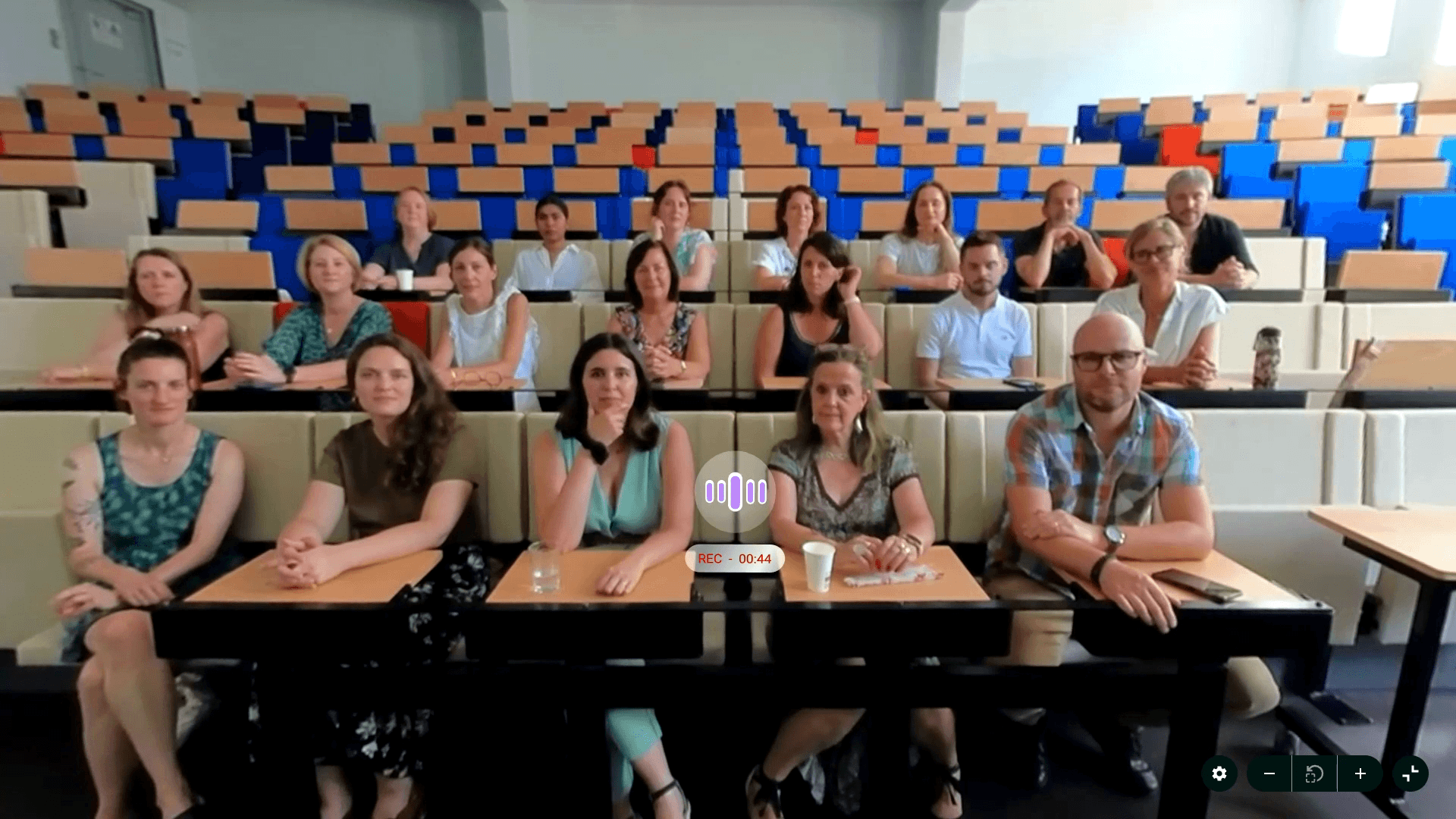
Students choose a topic and one of three English proficiency levels. They then speak for one minute to an audience of IÉSEG staff filmed in a campus lecture hall that students experience in VR. The audience reacts as they speak. An AI-powered microphone analyzes their speech and gives them immediate feedback on fluency, language level, and use of rhetorical devices.
- One minute of speaking in a 7-to-10-minute experience
- Flexible practice alongside the course, with as many attempts as students want
- Designed and filmed by IÉSEG using the Uptale platform
- In use for over a year, with more than 100 students trying it in 2025
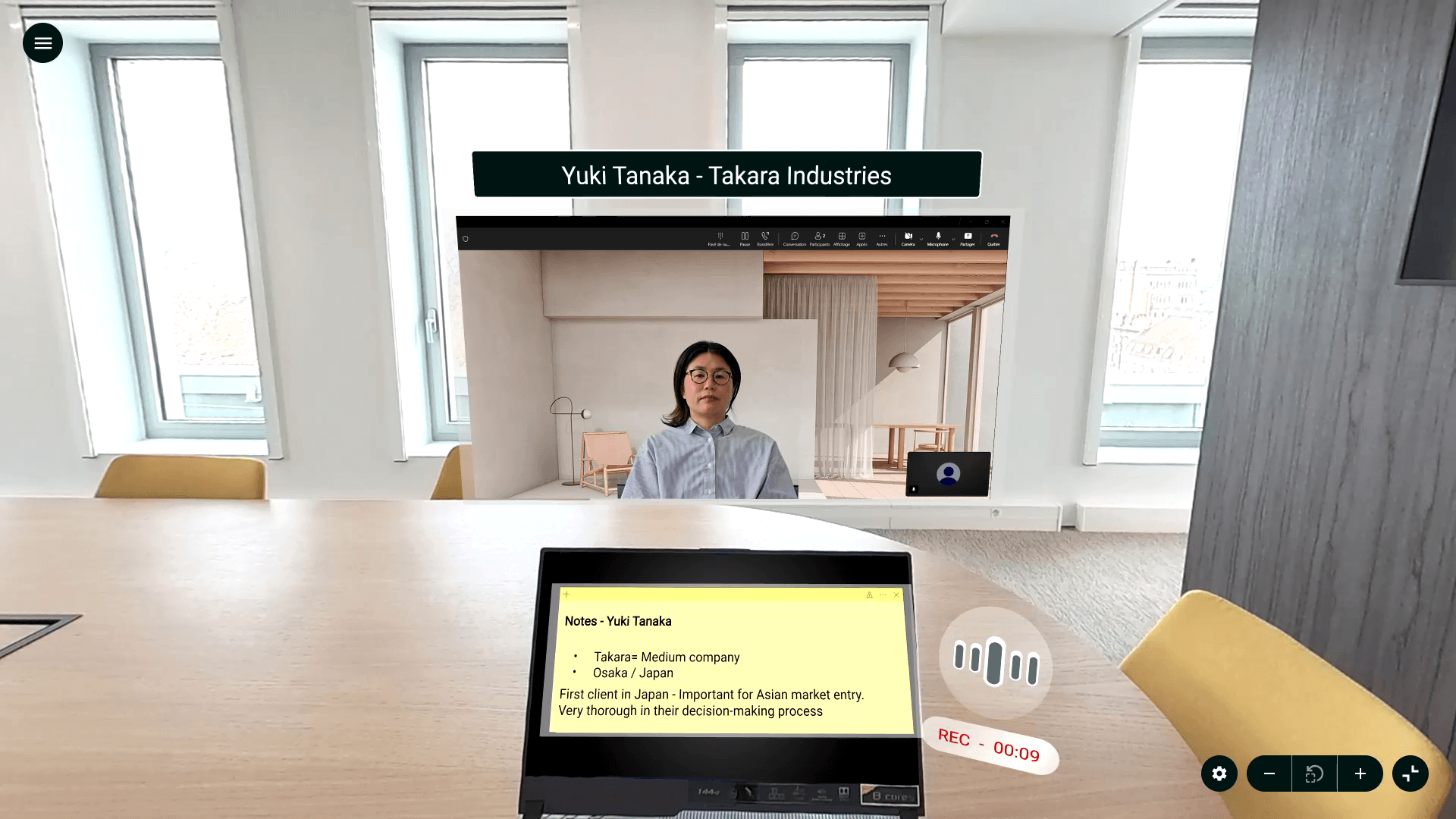
Intercultural negotiation: Three AI-powered buyers
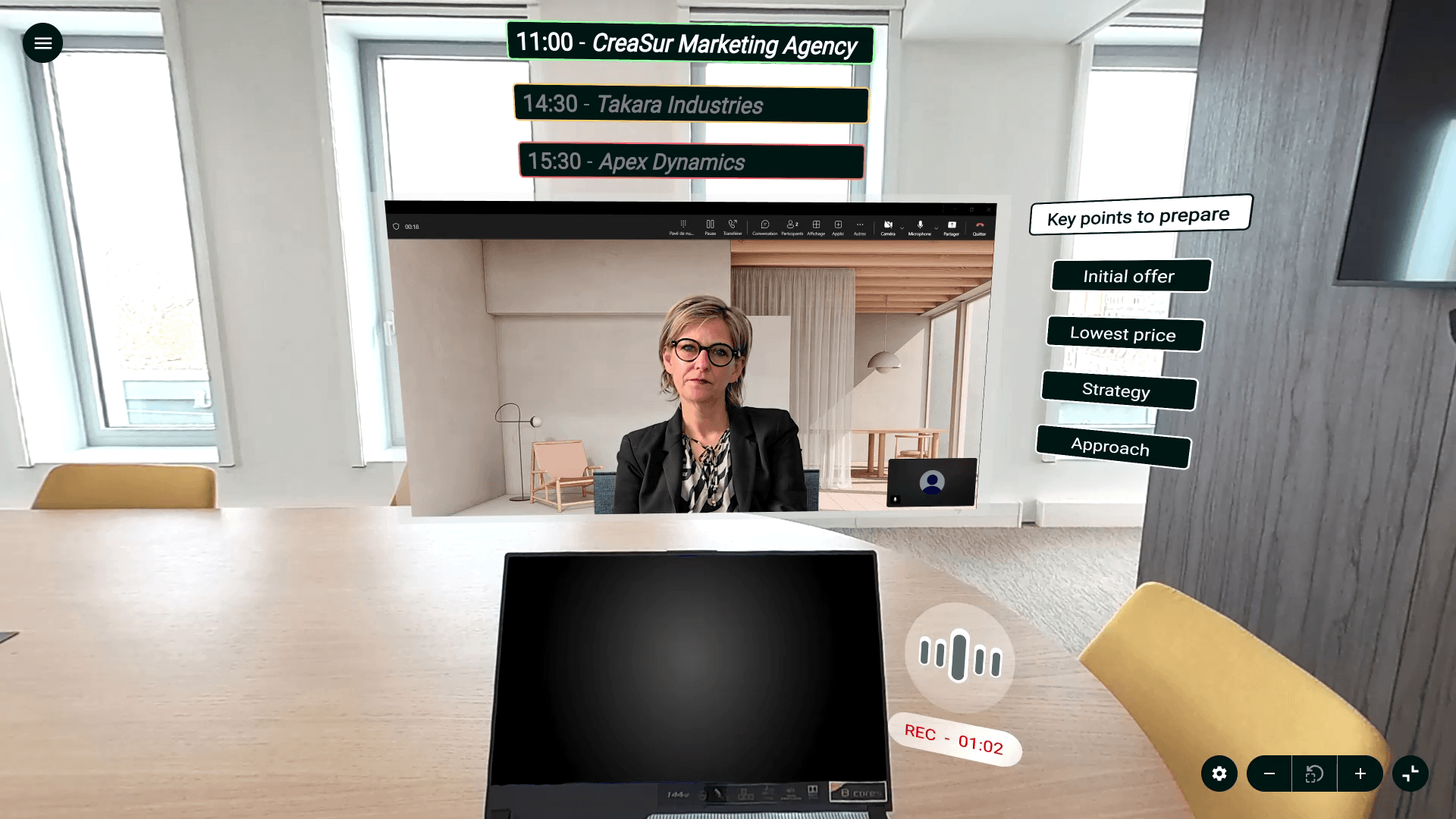
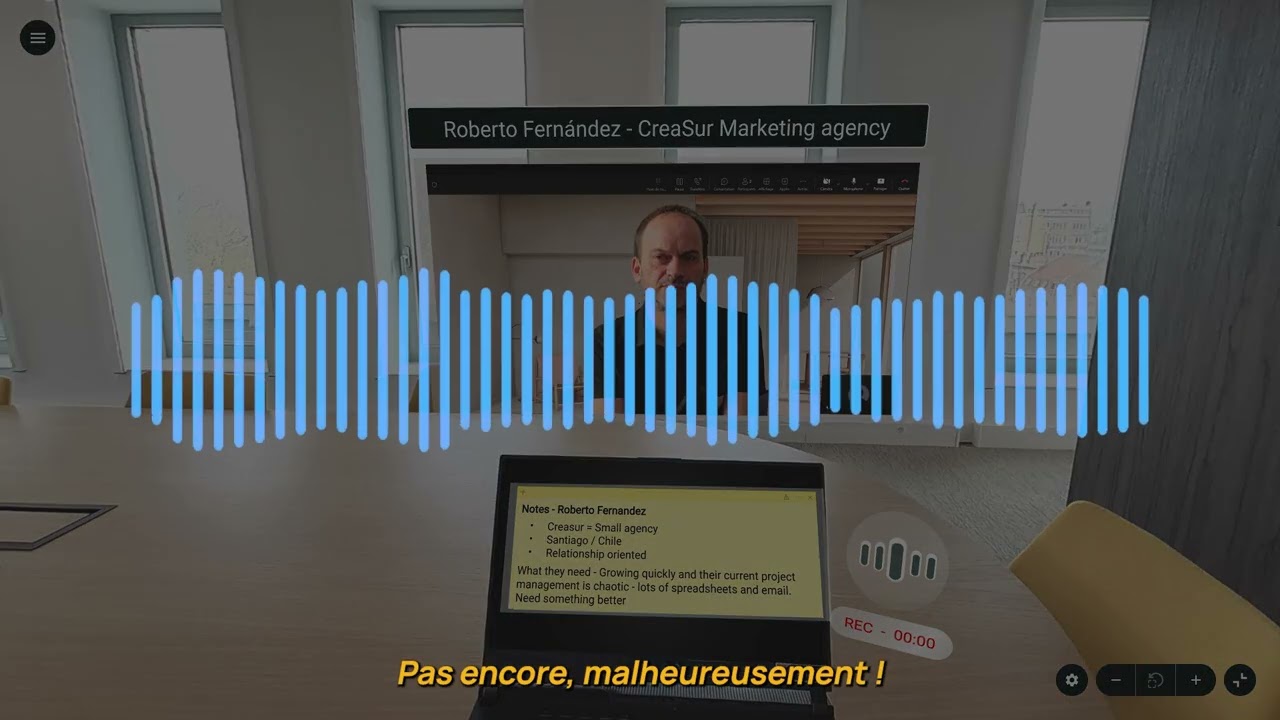
Students take on the role of a sales manager. Before the simulation, they receive a briefing on their product, their company, and the three buyers they’ll meet. They review their strategy with their manager, then negotiate with buyers who respond to what they say using conversational AI. Roberto (Chile) focuses on building a relationship, Yuki (Japan) focuses on the interests at stake, and Brad (United States) applies pressure.
- Three buyers and three difficulty levels in a 30-to-40-minute experience
- Built into the course, with feedback and debriefing led by the instructor in class
- Research-based buyer profiles designed to reflect cultural differences while avoiding stereotypes
- Co-designed and produced with Uptale, with IÉSEG staff playing the avatars
We put them in a realistic situation […]. At the same time, they know it’s a virtual experience where they can make mistakes, try different approaches,
[…] and try things they might hesitate to do in front of a real audience.
 Flore Benvenuti
Instructional Designer, IÉSEG
The instructor’s role
The teaching continues after the simulation. It’s the instructor-led debriefs that really help turn the experience into learning.
 Adrián Barragán Díaz
Associate Professor and Head of the International Negotiation and Sales Major, IÉSEG
Three tips before launching a VR project
Flore Benvenuti supported both projects, from identifying what instructors needed to running the sessions in class. She shared three tips for educators looking to launch an immersive learning project.
-
Scope the project around what AI can do today
Instructors bring plenty of ideas and some assumptions about what AI can do. In the first conversation, look together at what the technology can handle today and adjust the project accordingly.
-
Start with the skill you want students to develop
Putting on a headset can spark a sense of wonder, even for younger learners. Choose VR based on how well it helps students practice the specific skill you want them to develop.
-
Test, survey, and refine
Students test each experience before rollout. After the sessions, a short survey gathers their feedback and informs the second and third versions.
Flore Benvenuti, Instructional Designer at IÉSEG, shared this advice during the November 9, 2026 webinar. Read more about using virtual reality to support active learning.
What changed and where there’s room to improve
Early feedback was encouraging and helped IÉSEG identify what to work on next.
- Students see Orato as a way to improve. Of the 66 respondents, 96.9% thought Orato could improve their public speaking and language skills, with 72% expecting a substantial improvement.
- Two students showed visible progress. They used Orato once a week for four to five weeks. Edward Farrington noticed a clear improvement from the first to the fifth attempt. With two students, the observation remains preliminary.
- Orato is becoming part of an IÉSEG course. Previously offered as an optional supplement, Orato will be integrated into a course starting in January 2027.
- Students want more negotiation practice, and the team is refining the AI. After testing the experience with students in March 2026, the team revised it several times. Of the 96 survey respondents in Lille and Paris as of October 26, 97% would recommend the activity to future students and 85.4% wanted more sessions. Adrián Barragán Díaz now wants to expand the range of student responses the AI can handle.
- Negotiation transcripts support classroom debriefs and research. IÉSEG exports the transcripts so the instructor can review the negotiations with students in class. Adrián Barragán Díaz and Paulo Marzionna will also use them to study student behavior.
Frequently asked questions
Do students need a VR headset ?
How long does a session take?
How is AI used in the two experiences?
How can you scale from a few students to a full class?
How can instructors track student progress?
Watch the full webinar to hear from IÉSEG, see both experiences in action, and hear the speakers answer attendees’ questions.